
Top 7 Evidence-Based Autism Treatments Making a Difference in 2025
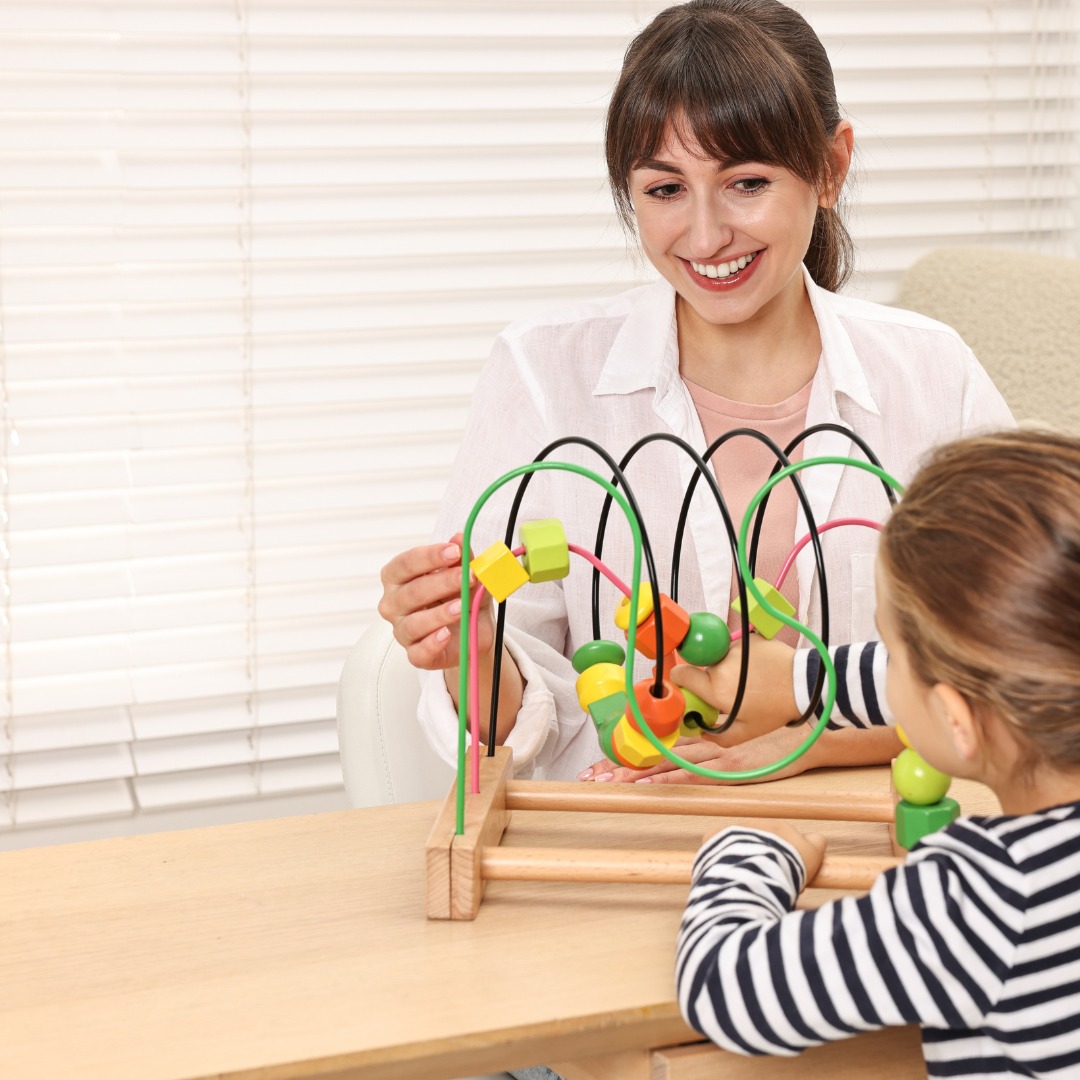
Top 7 Evidence-Based Autism Treatments Making a Difference in 2025 Autism Spectrum Disorder (ASD) impacts millions of individuals and their families worldwide, making the pursuit of effective, evidence-based treatments a crucial priority. In 2025, advancements in research and practice are offering renewed hope and practical solutions to support individuals with ASD in reaching their full potential. This article highlights seven treatments that are shaping the way professionals, caregivers, and individuals approach autism.By exploring these evidence-backed approaches, readers will gain insight into the latest methods proven to improve communication, social skills, and overall quality of life for people with autism. From innovative therapies to refined strategies, these treatments are grounded in science and designed to address the unique needs of each individual. Whether you're a parent, educator, clinician, or someone seeking a deeper understanding of ASD interventions, this guide will provide the tools and knowledge to navigate the evolving landscape of autism treatment with confidence. Applied Behavior Analysis: Proven Approach for Autism Applied Behavior Analysis (ABA) remains one of the most widely recognized and effective evidence-based treatments for Autism Spectrum Disorder in 2025. ABA focuses on understanding and improving behaviors through positive reinforcement, breaking down complex skills into manageable steps. This method is highly individualized, ensuring that interventions align with the specific strengths, challenges, and goals of each person.Therapists work closely with individuals to teach communication, social, and daily living skills while reducing behaviors that may interfere with learning or functioning. The structured approach allows for measurable progress and data-driven adjustments, maximizing its effectiveness. Benefits include improved social interaction, enhanced independence, and better integration into various environments, such as school or community settings. ABA continues to be a cornerstone in autism treatment strategies. Speech Therapy for Improved Communication in Autism Speech and Language Therapy is a key evidence-based treatment for Autism Spectrum Disorder in 2025, focusing on improving communication skills vital for personal and social development. This therapy is tailored to the unique needs of each individual, addressing challenges like speech clarity, nonverbal communication, and understanding language.Therapists utilize techniques such as visual aids, interactive exercises, and technology-based tools to enhance language comprehension and expression. For nonverbal individuals, augmentative and alternative communication (AAC) systems, including picture-based tools and speech-generating devices, are often incorporated.The benefits of Speech and Language Therapy include improved ability to express needs, enhanced social interactions, and greater participation in educational and community settings. This approach empowers individuals with ASD to connect more effectively with the world around them. Occupational Therapy for Autism Spectrum Disorder Occupational Therapy (OT) is a widely recognized evidence-based treatment for Autism Spectrum Disorder in 2025, focusing on enhancing daily living skills and promoting independence. This therapy targets sensory processing challenges, fine motor skills, and self-care abilities, tailored to each individual’s unique needs and goals.Through structured activities, therapists help individuals improve their ability to perform tasks such as dressing, eating, and writing. Sensory integration techniques are often incorporated to address sensitivities or difficulties with processing sensory information.The benefits of OT include increased independence, improved motor coordination, and enhanced participation in home, school, and community settings. By addressing functional skills, Occupational Therapy empowers individuals with ASD to navigate their environments more effectively and confidently. Social Skills Training for Autism Spectrum Disorder Social Skills Training is a crucial evidence-based treatment for Autism Spectrum Disorder in 2025, designed to help individuals develop meaningful connections and navigate social environments more effectively. This therapy focuses on teaching essential skills such as understanding nonverbal cues, initiating conversations, maintaining relationships, and interpreting social norms. Sessions often involve role-playing, modeling, and interactive activities to practice real-world scenarios.Therapists work closely with individuals to address specific social challenges, tailoring strategies to their needs and developmental levels. Group-based interventions may also be used to encourage peer interaction and collaborative learning. The benefits of Social Skills Training include improved communication, greater confidence in social settings, and enhanced ability to build and sustain relationships, promoting a higher quality of life. Cognitive Behavioral Therapy for Autism Support Cognitive Behavioral Therapy (CBT) is an evidence-based treatment increasingly used for Autism Spectrum Disorder in 2025, addressing emotional regulation and coping skills. This therapeutic approach helps individuals recognize and reframe negative thought patterns that influence their emotions and behaviors. Tailored to the unique needs of people with autism, CBT focuses on managing anxiety, improving emotional awareness, and enhancing problem-solving abilities.Therapists utilize structured sessions involving discussions, role-playing, and exercises to help individuals build resilience and develop practical strategies for real-life challenges. CBT is especially beneficial for those with co-occurring conditions such as anxiety or depression. Outcomes include improved emotional regulation, reduced anxiety, better social functioning, and an increased ability to handle stressful situations, leading to a more balanced and fulfilling life. Sensory Integration Therapy for Autism Treatment Naturalistic Developmental Behavioral Interventions (NDBIs) are an evidence-based treatment for Autism Spectrum Disorder in 2025, integrating principles of developmental science and behavioral therapy within natural environments. NDBIs focus on promoting social communication, play skills, and cognitive development through interactions that occur in everyday routines and activities. These interventions use strategies such as modeling, prompting, and reinforcement, tailored to the individual’s developmental level and interests.Therapists and caregivers work collaboratively to create learning opportunities during natural interactions, ensuring that skills are taught in meaningful and functional contexts. The benefits of NDBIs include improved communication, stronger social connections, and the generalization of skills across different settings. This approach empowers individuals with ASD to develop critical abilities in a natural and engaging way. Parent-Mediated Interventions for Autism Treatment Parent-Mediated Interventions are an evidence-based treatment for Autism Spectrum Disorder in 2025, empowering caregivers to play a central role in supporting their child’s development. These interventions provide parents with training and tools to enhance communication, social skills, and behavioral outcomes through everyday interactions. Guided by professionals, parents learn strategies such as modeling, prompting, and reinforcement to create positive learning experiences tailored to their child’s unique needs.This approach promotes consistency and extends therapy beyond clinical settings, embedding skill-building into daily routines. The benefits of Parent-Mediated Interventions include stronger parent-child connections, improved social communication, and greater generalization of skills across environments. By actively involving families, this treatment fosters long-term growth and helps children thrive in natural contexts.
Read More
How Autism Affects Children’s Social Skills
/*! elementor - v3.16.0 - 09-10-2023 */ .elementor-heading-title{padding:0;margin:0;line-height:1}.elementor-widget-heading .elementor-heading-title[class*=elementor-size-]>a{color:inherit;font-size:inherit;line-height:inherit}.elementor-widget-heading .elementor-heading-title.elementor-size-small{font-size:15px}.elementor-widget-heading .elementor-heading-title.elementor-size-medium{font-size:19px}.elementor-widget-heading .elementor-heading-title.elementor-size-large{font-size:29px}.elementor-widget-heading .elementor-heading-title.elementor-size-xl{font-size:39px}.elementor-widget-heading .elementor-heading-title.elementor-size-xxl{font-size:59px}How Autism Affects Children's Social Skills Introduction to Autism and Social Skills Autism Spectrum Disorder (ASD) impacts how individuals perceive and interact with their surroundings. One key area where this is evident is in social skills. Social interactions often involve understanding and responding to a variety of cues, such as facial expressions and body language, which can be particularly challenging for children with autism. These difficulties can lead to misunderstandings and make it hard for them to engage in typical social activities. Recognizing how autism affects these skills is essential for providing the necessary support and creating environments that help children succeed in social settings. By identifying the specific challenges faced by children with autism, caregivers and educators can better tailor their approaches to foster more effective social interactions. /*! elementor - v3.16.0 - 09-10-2023 */ .elementor-widget-image{text-align:center}.elementor-widget-image a{display:inline-block}.elementor-widget-image a img[src$=".svg"]{width:48px}.elementor-widget-image img{vertical-align:middle;display:inline-block} Challenges in Social Interaction Children with autism often face difficulties in interpreting social cues, which are essential elements of nonverbal communication. They may have trouble recognizing facial expressions, tone of voice, and body language. This can make it hard for them to understand others' emotions or intentions, leading to social awkwardness. Additionally, they may find it challenging to engage in back-and-forth interactions, which are crucial for building connections with others. As a result, children with autism might appear disengaged or uninterested, even when they desire social interaction. These challenges can create barriers to participating in group activities or making friends. Communication Differences Children with autism often exhibit a range of communication differences. Some may communicate nonverbally through gestures or using alternative communication devices, while others might have advanced vocabulary yet struggle with the flow of conversation. Challenges in understanding the context of language are common, making idiomatic expressions, sarcasm, and metaphors particularly difficult to grasp. This can result in misunderstandings and hinder effective communication. Additionally, children with autism might have a unique way of expressing themselves, which can be misunderstood by their peers. Social communication differences can affect how they share information, ask questions, or join group discussions, making social interactions more complex. Impact on Peer Relationships Children with autism may find it challenging to initiate and maintain friendships due to social and communication difficulties. They might not easily pick up on social norms or shared interests, which can make interactions with peers feel awkward or confusing. This can lead to fewer opportunities for engaging in play or collaborative activities, often resulting in feelings of loneliness or social isolation. Some children with autism may also have repetitive behaviors or specific interests that differ from their peers, making it harder to find common ground. Encouragement and structured social activities can help bridge these gaps, providing opportunities for more successful peer interactions.Support StrategiesSeveral approaches can enhance social skills in children with autism. Tailored therapies like speech therapy and occupational therapy are pivotal in addressing specific needs. Social skills training can provide children with the tools to navigate social scenarios more effectively. Creating structured social opportunities is beneficial, as it allows children to practice interactions in a controlled environment. Role-playing different social situations can help children become more comfortable and confident in real-life settings.Parents and educators can play a significant role by modeling appropriate social behaviors and providing consistent guidance. Peer mentorship programs, where neurotypical peers assist and engage with children with autism, can be particularly effective. These programs offer real-world practice and help bridge social gaps by fostering understanding and empathy among peers.Incorporating visual supports such as social stories and visual schedules can aid in comprehension and predictability, making social interactions less daunting. Technology can also be a valuable tool; apps designed to teach social skills or facilitate communication can provide additional support.Inclusive activities are another crucial strategy. Ensuring that children with autism are integrated into group activities can promote social engagement and reduce feelings of isolation. Encouraging participation in clubs, sports, or group projects can provide natural opportunities for social interaction.Overall, a multifaceted approach that includes therapy, structured opportunities, peer support, and inclusive activities can significantly improve social skills in children with autism. By employing these strategies, caregivers and educators can create supportive environments that foster social development and help children with autism thrive in social settings.ConclusionAutism impacts children's ability to navigate social environments, leading to challenges that extend beyond simple misunderstandings. These challenges often involve interpreting social cues, engaging in conversations, and forming friendships. Sensory processing variations add another layer of complexity, making social interactions even more demanding. However, children with autism can enhance their social skills with the right strategies and support. Structured social opportunities, tailored therapies, and the use of visual aids can make social situations more manageable. Additionally, peer mentorship programs and inclusive activities play a crucial role in fostering social engagement and reducing isolation. A comprehensive approach involving parents, educators, and peers can significantly support social development in children with autism, allowing them to thrive in various social settings.
Read MoreEarly Signs of Autism in Children and How to Address Them
Early Signs of Autism in Children and How to Address Them Overview of Autism in children Autism Spectrum Disorder (ASD) is a multifaceted neurodevelopmental condition that influences various aspects of a child's life. It generally involves difficulties in communication, social interactions, and behavior. Children with autism often display unique ways of learning, paying attention, and reacting to different sensory experiences. This diversity means that each child's experience with autism can be quite different. Some children may show strengths in specific areas such as visual skills or music, while others might struggle more with daily routines or managing emotions. Understanding these differences is key for parents and caregivers. Early awareness and intervention can help in addressing the specific needs of each child, offering better chances for development and well-being. Typical Initial Indicators of Autism Recognizing the early signs of autism in children can be challenging, as the symptoms may vary widely. Some common indicators often appear in the early years. A lack of eye contact and difficulty engaging in social interactions are frequently observed. Children may not respond to their name or show interest in playing with others. Delayed speech and communication skills are also typical. This may manifest as not speaking by a certain age or having difficulty expressing needs and feelings. If parents notice these signs, it's important to consult a healthcare professional for a thorough evaluation. The Autism Diagnosis Journey Diagnosing autism in children involves a series of careful steps. Initially, a pediatrician might perform developmental screenings during regular visits. If these screenings raise concerns, a more detailed evaluation is usually recommended. This comprehensive assessment often includes a team of specialists, such as a psychologist, neurologist, and speech therapist. These professionals use various diagnostic tools and methods to understand the child's development better.One of the key tools in this process is the Autism Diagnostic Observation Schedule (ADOS), which helps assess social interaction, communication, and play. Another commonly used tool is the Childhood Autism Rating Scale (CARS), which helps rate the child's behavior against typical developmental milestones. These evaluations are designed to observe and record specific behaviors and skills in different settings and activities.Parents are an integral part of this diagnostic journey. Their observations and reports about their child's behavior at home and in social settings provide valuable insights that complement the clinical evaluations. The entire process can take time, but it is crucial for ensuring an accurate diagnosis. The gathered information helps professionals tailor intervention strategies to meet the unique needs of each child, paving the way for effective support and treatment plans. Tackling Autism at an Early Stage Addressing autism early can lead to substantial progress in a child's development. Behavioral therapies like Applied Behavior Analysis (ABA) are often employed to enhance social interactions, communication, and behavior management. Early intervention programs are designed to teach essential skills through structured activities and consistent routines. These programs can be personalized to meet each child's unique needs, making them highly effective.The role of family and caregivers cannot be overstated. Their involvement in creating a supportive and predictable environment is crucial. Consistency in daily routines helps children with autism feel secure and reduces anxiety. Active participation in therapy sessions allows parents and caregivers to reinforce strategies learned during treatment at home.In addition to behavioral therapies, other approaches such as occupational therapy and speech therapy are frequently utilized. Occupational therapy focuses on improving daily living skills and motor abilities, while speech therapy aims to enhance communication skills. Integrating these therapies provides a holistic approach to addressing various challenges faced by children with autism.Support groups and community resources also play an essential role. They offer families a network of understanding and guidance, which can be invaluable. Through collaboration between professionals, family members, and community resources, children with autism can achieve significant developmental milestones and improve their quality of life. Latest Developments in Autism Treatment Research in autism treatment is advancing rapidly, providing new and innovative options for families. Music therapy, for instance, is being explored as a way to enhance communication and emotional expression in children with autism. The role of technology is also becoming more prominent, with various tools such as apps and virtual reality programs designed to improve social skills and learning experiences. These tech-based interventions offer interactive and engaging ways for children to develop essential skills.Additionally, genetic research is making strides in understanding the underlying causes of autism, which could lead to more personalized treatment plans. Scientists are investigating how specific genetic markers may influence the condition, potentially paving the way for targeted therapies that address individual needs more effectively.Another promising area of research involves the use of biomarkers to detect autism earlier and more accurately. These biological indicators could help in identifying the condition well before traditional behavioral symptoms become apparent, allowing for even earlier intervention.Nutritional approaches are also being studied, examining how diet and gut health may impact autism symptoms. Some preliminary findings suggest that specific dietary changes could benefit certain children, although more research is needed in this area. Recap and Additional Resources Navigating autism involves a multi-step approach, from recognizing early signs to seeking a thorough diagnosis and implementing targeted therapies. Families can find significant support through a variety of treatment options such as behavioral, occupational, and speech therapies, which together create a comprehensive strategy to address the unique needs of each child.Staying informed about the latest research and innovative treatments, including music therapy and tech-based interventions, can offer additional avenues for improvement. Community resources and support groups also play a critical role, providing emotional support and practical advice.For more detailed information and assistance, reputable organizations like Autism Speaks and the Autism Society offer extensive resources. These platforms provide access to educational materials, support networks, and expert advice, helping families navigate the complexities of autism with greater confidence and effectiveness.
Read More
Understanding Autism Spectrum Disorder: Types, Challenges, and Treatment
Understanding Autism Spectrum Disorder Autism Spectrum Disorder (ASD) is a complex neurodevelopmental condition that affects communication, social interaction, and behavior. It's characterized by a wide range of symptoms and impacts individuals differently, hence the term "spectrum." Understanding the various aspects of ASD is crucial for supporting individuals and their families. Types of Autism Spectrum Disorder While diagnostic criteria have evolved, some commonly recognized presentations of ASD include: Autistic Disorder: Significant challenges in communication, social interaction, and repetitive behaviors. Asperger Syndrome: Average to above-average intelligence, social communication difficulties, and potential for rigid or repetitive behaviors. Pervasive Developmental Disorder-Not Otherwise Specified (PDD-NOS): A broader category for individuals who exhibit some, but not all, ASD symptoms. Key Challenges Faced by Individuals with Autism 1. Communication Difficulties Delayed Speech: Challenges in developing and using spoken language. Language Processing: Difficulty understanding and using both spoken and written language. Nonverbal Communication: Challenges in interpreting and using body language, facial expressions, and tone of voice. 2. Social Interaction Challenges Difficulties forming and maintaining friendships and relationships. Challenges understanding and navigating social norms and expectations. Limited interest in social interaction or difficulty engaging in reciprocal play. 3. Repetitive Behaviors and Interests Repetitive movements like hand-flapping, rocking, or spinning. Insistence on sameness and routines. Intensely focused interests that may be unusual or obsessive. 4. Sensory Sensitivities Over- or under-responsiveness to sounds, sights, textures, tastes, or smells. Sensory sensitivities can impact daily life and cause anxiety or distress. 5. Anxiety and Mental Health Increased risk of anxiety, depression, and other mental health conditions. Treatment Approaches for Autism Effective treatment often involves a multi-faceted approach tailored to the individual's needs. Common approaches include: Applied Behavior Analysis (ABA): Teaching new skills and reducing challenging behaviors through positive reinforcement. Speech and Language Therapy: Improving communication skills, including speech clarity, language comprehension, and social communication. Occupational Therapy: Developing daily living skills, sensory integration, and fine and gross motor skills. Social Skills Training: Learning to initiate conversations, interpret social cues, and understand social norms. Medication: Managing symptoms like anxiety, aggression, or repetitive behaviors (when necessary). Early Intervention and Support Early intervention plays a crucial role in improving outcomes. Engaging a multidisciplinary team, including parents, educators, therapists, and other professionals, ensures comprehensive support tailored to the individual's unique needs. Strategies like individualized education plans (IEPs) and community-based resources can significantly enhance development. Final Thoughts Understanding Autism Spectrum Disorder—its types, challenges, and treatment options—is essential for fostering a supportive and inclusive environment for those affected. While there's no cure for autism, targeted interventions and early support can significantly improve quality of life and help individuals reach their full potential. Important Note: This information is intended for general knowledge and should not replace professional medical advice. Consult qualified healthcare professionals for diagnosis and treatment recommendations.
Read More
Behavior Therapy for Autism: Unlocking Potential Through Positive Change
Behavior Therapy for Autism: Unlocking Potential Through Positive Change Introduction Behavior therapy plays a vital role in the treatment of Autism Spectrum Disorder (ASD). It focuses on understanding and improving behaviors to help individuals lead more fulfilling lives. In this blog, we’ll explore what behavior therapy entails, its benefits, and how it’s transforming the lives of those with autism. 1. What is Behavior Therapy? Behavior therapy is a structured, evidence-based approach that addresses specific behaviors and teaches skills through positive reinforcement. It is particularly effective for individuals with autism, as it helps them develop essential skills for communication, social interaction, and daily living. 2. Core Principles of Behavior Therapy Positive Reinforcement: Rewarding desired behaviors to encourage their repetition.Skill Development: Teaching specific skills to replace problematic behaviors.Individualized Approach: Tailoring therapy to meet the unique needs and goals of each individual.Consistency: Ensuring strategies are applied consistently across different settings, such as home, school, and therapy sessions. 3. Techniques Used in Behavior Therapy Applied Behavior Analysis (ABA): ABA is the cornerstone of behavior therapy for autism. It involves breaking down complex skills into smaller, manageable steps and teaching them systematically. Functional Behavior Assessment (FBA): FBA identifies the reasons behind challenging behaviors and designs interventions to address them effectively. Social Skills Training: Behavior therapy teaches individuals how to interact with others, understand social cues, and build relationships. Behavior Management Plans: These plans help caregivers and educators manage challenging behaviors by providing clear strategies and techniques. 4. Benefits of Behavior Therapy for Autism https://youtu.be/DALUAzoqw2o?si=oU1eTMn4IfIFz6pCImproved Communication: Teaching verbal and non-verbal communication skills.Enhanced Social Interaction: Building confidence in engaging with peers and family members.Reduction in Problematic Behaviors: Addressing and reducing behaviors like aggression, self-injury, or tantrums.Greater Independence: Equipping individuals with skills to perform daily tasks and routines. 5. The Role of Caregivers in Behavior Therapy Caregivers are essential partners in the success of behavior therapy. Training and support ensure they can implement strategies consistently, reinforcing positive changes outside of therapy sessions. 6. Success Stories in Behavior Therapy Behavior therapy has transformed the lives of countless individuals with autism. From helping non-verbal children express their needs to empowering teenagers to build friendships, the results are inspiring. 7. Finding the Right Behavior Therapy Program Choosing a program that aligns with your loved one’s needs is crucial. Look for:Experienced and certified behavior therapists.A focus on individualized treatment plans.Collaboration with families and schools. Conclusion Behavior therapy is more than a treatment—it’s a pathway to growth and empowerment for individuals with autism. By focusing on positive reinforcement and skill development, it unlocks potential and opens doors to a brighter future. Call-to-Action Are you ready to explore the benefits of behavior therapy? Contact our autism treatment center today to learn how we can support your journey toward positive change.
Read More
How Occupational Therapy Supports Autism Treatment
/*! elementor - v3.16.0 - 09-10-2023 */ .elementor-heading-title{padding:0;margin:0;line-height:1}.elementor-widget-heading .elementor-heading-title[class*=elementor-size-]>a{color:inherit;font-size:inherit;line-height:inherit}.elementor-widget-heading .elementor-heading-title.elementor-size-small{font-size:15px}.elementor-widget-heading .elementor-heading-title.elementor-size-medium{font-size:19px}.elementor-widget-heading .elementor-heading-title.elementor-size-large{font-size:29px}.elementor-widget-heading .elementor-heading-title.elementor-size-xl{font-size:39px}.elementor-widget-heading .elementor-heading-title.elementor-size-xxl{font-size:59px}How Occupational Therapy Supports Autism Treatment Introduction to the Role of Occupational Therapy Occupational therapy is a key part of the holistic approach to Autism Treatment. It is designed to assist individuals with autism spectrum disorder (ASD) in gaining independence and enhancing their quality of life. This therapy addresses both physical and psychological challenges, helping individuals develop important life skills. With tailored strategies, occupational therapy supports personal development and integration into daily activities. This is particularly beneficial in locations like Hyderabad, where awareness and options for treatment are growing. Through a variety of techniques, occupational therapists help individuals improve their ability to perform everyday tasks, making a significant impact on their overall well-being. Exploring Autism and Its Associated Difficulties Autism spectrum disorder presents various challenges that differ widely from person to person. Common difficulties include struggles with social interactions, such as interpreting body language and understanding the nuances of conversation. Communication issues often arise, whether in the form of delayed speech or trouble maintaining a back-and-forth dialogue. Repetitive behaviors and routines are also prevalent, providing comfort but sometimes limiting flexibility and adaptability in daily life. Sensory sensitivities, such as being overwhelmed by lights, sounds, or textures, can further complicate everyday experiences. Additionally, developing motor skills can be an area of concern, impacting tasks that require coordination and precision. These diverse challenges underscore the importance of interventions like occupational therapy, which aim to address these specific needs through customized strategies. Essential Methods in Occupational Therapy Occupational therapy uses various methods to support individuals with autism. One key technique is sensory integration therapy, which helps individuals manage sensory information more effectively, reducing sensitivities and enhancing focus. Another important method is developing fine motor skills necessary for everyday tasks like writing and using utensils. Therapists utilize targeted exercises and activities to strengthen these skills. Additionally, therapists may implement social skills training, aiding individuals in navigating social interactions and building meaningful relationships. Visual supports, such as schedules and charts, can also be employed to provide structure and predictability, helping individuals understand and manage their daily routines. Adaptive equipment and environmental modifications are sometimes used to make tasks more manageable and improve overall functionality. Through these diverse methods, occupational therapy aims to address the unique challenges faced by individuals with autism, promoting greater independence and improved quality of life. Customized Therapeutic Strategies Occupational therapy shines in its ability to customize interventions based on individual needs. Each person with autism presents a unique set of challenges and strengths, requiring a personalized approach. Occupational therapists begin with thorough assessments, identifying the specific difficulties and abilities of each individual. They then create a treatment plan tailored to address these unique needs, ensuring that the therapy is as effective as possible. Family involvement plays a crucial role in the success of these customized strategies. Therapists work closely with family members to teach them how to implement therapeutic techniques at home. This consistent reinforcement outside of sessions helps solidify progress and ensures that the individual receives continuous support. Techniques might include sensory processing activities, motor skill exercises, or social interaction practices, all designed to be easily integrated into daily routines. Another important aspect of customized strategies is the setting of realistic, achievable goals. Therapists and families collaborate to set milestones that are both challenging and attainable, keeping the individual motivated and engaged. These goals may range from improving self-care skills to enhancing social interactions, depending on the person's unique needs. The flexibility of occupational therapy allows for adjustments as the individual grows and develops. Regular evaluations ensure that the therapy remains aligned with the person's evolving requirements. This dynamic approach maximizes the effectiveness of occupational therapy, providing continuous support tailored to each stage of development. Through personalized strategies, occupational therapy helps individuals with autism make meaningful strides in their daily lives. Stories of Real-World Success Numerous families have shared uplifting stories of how occupational therapy has positively impacted their loved ones with autism. In one case, a child in Hyderabad who had severe difficulties with fine motor skills and struggled with basic tasks like tying shoes or using utensils made significant progress through targeted exercises. The child's newfound abilities not only boosted self-confidence but also led to greater participation in group activities at school. Another inspiring story involves a teenager who had trouble understanding social cues and maintaining friendships. With the help of social skills training and visual supports, the teenager learned to navigate social situations more effectively, resulting in improved relationships and a stronger support network. Parents often highlight how occupational therapy has provided practical solutions for sensory sensitivities, allowing their children to better cope with everyday environments. For instance, one family noted that sensory integration techniques helped their child manage overwhelming stimuli, making trips to crowded places less stressful and more enjoyable. These real-world examples underscore the transformative potential of occupational therapy, showing how customized strategies can lead to meaningful improvements in the daily lives of individuals with autism. Summary and Encouragement Occupational therapy provides crucial support for individuals with autism by focusing on their unique needs and fostering skills necessary for daily living. Through methods like sensory integration therapy, fine motor skills development, and social skills training, therapists work to enhance independence and improve quality of life. Family involvement is a key component, ensuring that therapeutic techniques are consistently applied at home. Realistic goal-setting and regular assessments help maintain progress and adapt strategies as needed. For those in Hyderabad and beyond, seeking professional occupational therapy can be a transformative step toward better managing the challenges associated with autism. Embracing these therapeutic options can lead to meaningful improvements and a more fulfilling life.
Read More
Effective Treatments for Autism Spectrum Disorder Explained
Intro Autism Spectrum Disorder (ASD) is a complex neurodevelopmental condition that affects individuals in varying ways. The range of symptoms and behaviors associated with ASD means that a one-size-fits-all approach to treatment is not feasible. Instead, effective Autism Spectrum Disorder treatment typically involves a combination of therapies tailored to meet each individual's unique needs. These therapies aim to improve communication, social skills, and quality of life for those living with ASD. This blog post will explore several proven therapies that can be integral to a comprehensive Autism Spectrum Disorder treatment pla Applied Behavior Analysis (ABA) Applied Behavior Analysis (ABA) is one of the most well-researched and widely applied therapies for Autism Spectrum Disorder. This therapy involves breaking down complex skills into smaller, more manageable steps and reinforcing positive behaviors through a system of rewards. By focusing on how behaviors function in real-life situations, ABA helps individuals with ASD learn and apply new skills in a variety of settings. The approach is highly individualized, allowing therapists to tailor interventions to each person's unique needs. ABA is particularly effective in improving language, communication, and social skills, as well as reducing behaviors that interfere with learning. The individualized nature of ABA means that therapists can closely monitor progress and make adjustments as needed, ensuring that the therapy is both effective and adapta Speech and Language Therapy Speech and language therapy plays a pivotal role in the development of communication skills for many individuals with Autism Spectrum Disorder. This type of therapy focuses on enhancing both verbal and nonverbal communication abilities. Speech therapists work to improve articulation and the ability to engage in meaningful conversations. They may use techniques such as picture exchange communication systems (PECS) and sign language to support individuals who have limited verbal skills. Additionally, speech therapy often involves teaching individuals how to understand and use social cues, which can significantly improve their interactions with others. Through these tailored approaches, speech and language therapy helps individuals with ASD better express their needs, thoughts, and emotions. Occupational Therapy (OT) Occupational Therapy (OT) is an essential component of Autism Spectrum Disorder treatment that targets a range of skills required for daily living. It focuses on improving fine motor skills, sensory processing, and self-help abilities like dressing, eating, and hygiene. Occupational therapists use individualized strategies to help individuals with ASD engage more effectively in everyday tasks and routines.One key aspect of OT is the creation of sensory diets, which are personalized plans of sensory activities designed to help individuals better process sensory information. These activities might include swinging, bouncing, or using textured materials to help regulate sensory experiences. By addressing sensory processing challenges, OT helps individuals become more comfortable and adaptive in their environments.In addition to sensory activities, OT often involves exercises to improve hand-eye coordination, balance, and motor planning. These exercises can make tasks like writing, buttoning a shirt, or tying shoelaces more manageable. Occupational therapists also work on enhancing social participation and play skills, which are critical for school and community involvement.Overall, OT aims to increase independence and quality of life for individuals with ASD by providing them with the tools and strategies they need to navigate daily activities successfully. This tailored approach ensures that the therapy meets the specific needs and goals of each individual. Social Skills Training Social skills training focuses on teaching individuals with Autism Spectrum Disorder how to navigate social interactions more effectively. This includes understanding and responding to social cues, maintaining appropriate eye contact, and engaging in reciprocal conversations. Training sessions can be conducted individually or in groups, where participants have the opportunity to practice these skills in a structured, supportive environment. Techniques such as role-playing and video modeling are often used to demonstrate and reinforce positive social behaviors. Social skills training is essential for helping individuals build meaningful relationships and improve their social competence. By learning these skills, individuals with ASD can participate more fully in social activities, both in school and community settings. This therapy also often incorporates feedback and reinforcement to help individuals refine their social abilities over time. Cognitive Behavioral Therapy (CBT) Cognitive Behavioral Therapy (CBT) is an evidence-based approach increasingly used for treating individuals with high-functioning autism as part of a comprehensive Autism Spectrum Disorder treatment plan. CBT focuses on helping individuals identify and modify negative thought patterns and behaviors that can contribute to emotional challenges such as anxiety and depression. By employing techniques like cognitive restructuring, mindfulness, and exposure therapy, CBT teaches individuals to challenge irrational thoughts and develop healthier coping mechanisms.Therapists often use CBT to help individuals with ASD understand the connections between their thoughts, emotions, and behaviors. This understanding empowers them to make more positive choices and improve their emotional regulation. For example, a therapist might guide a person through identifying a negative thought pattern, such as "I can't do anything right," and then work with them to reframe it into a more positive and realistic perspective, like "I have strengths and can improve with practice."In addition to cognitive restructuring, CBT often incorporates social skills training, where individuals can practice interactions in a controlled setting, which can help them navigate real-life social situations more effectively. Through role-playing and other interactive exercises, individuals with ASD can learn to manage their emotions better and respond to social cues more appropriately.CBT can be particularly effective when tailored to the individual's specific needs, incorporating their interests and strengths into the therapeutic process. This personalized approach ensures that therapy is relevant and engaging, making it easier for individuals to apply the skills they learn in their everyday lives. Medication Management Medication management can play a significant role in a comprehensive Autism Spectrum Disorder treatment plan, particularly for addressing co-occurring symptoms like anxiety, depression, or hyperactivity. Medications such as selective serotonin reuptake inhibitors (SSRIs), antipsychotics, and stimulants are often prescribed based on the individual's specific symptoms and needs. It's crucial to work closely with a healthcare provider to determine the most appropriate medication and dosage, as well as to monitor for potential side effects. Medication can be particularly beneficial when combined with other therapies, helping to create a more balanced and effective treatment plan. Regular follow-ups and open communication between healthcare providers and families are essential to ensure that the medication is achieving its intended effects and to make any necessary adjustments. Emerging and Complementary Therapies As research into Autism Spectrum Disorder progresses, new and complementary therapies continue to surface. Families often explore alternative options such as music therapy, art therapy, or animal-assisted therapy, which can offer additional benefits to traditional treatments. These therapies can provide unique ways for individuals with ASD to express themselves, improve social interactions, and enhance emotional well-being. For example, music therapy might involve rhythm exercises that help improve communication skills, while art therapy allows for the nonverbal expression of emotions and thoughts. Animal-assisted therapy, involving interactions with specially trained animals, can help reduce anxiety and foster a sense of calm and companionship. Although these therapies may lack extensive scientific validation, many families find them beneficial when integrated thoughtfully into a broader treatment plan. Always consult healthcare providers before starting any new therapy to ensure it is safe and aligns well with existing treatments. This collaborative approach helps optimize the overall Autism Spectrum Disorder treatment plan, potentially enhancing outcomes and quality of life for individuals with ASD.
Read More
Understanding the Autism Treatment Process: A Comprehensive Guide
Introduction Autism Spectrum Disorder (ASD) is a complex neurological condition that affects communication, behavior, and social interaction. While there is no definitive "cure" for autism, early diagnosis and appropriate intervention can significantly improve the quality of life for individuals on the spectrum. In this blog, we’ll explore the autism treatment process, highlighting effective therapies, key approaches, and the importance of early intervention.What is Autism? Autism, or Autism Spectrum Disorder, is a developmental disorder that affects each individual differently. Common challenges include difficulty in social communication, repetitive behaviors, and sensory sensitivities. While the causes of autism are still being studied, it’s clear that early diagnosis is crucial for managing symptoms effectively.The Importance of Early Diagnosis Early intervention is one of the most important steps in managing autism. The earlier the diagnosis, the sooner therapies can begin, leading to more effective outcomes. Developmental screenings by pediatricians, early childhood educators, and autism specialists help identify early signs, such as delayed speech or limited social interaction.Key Treatment Approaches for AutismApplied Behavior Analysis (ABA) Applied Behavior Analysis (ABA) is one of the most widely used therapies for autism. It focuses on improving specific behaviors such as communication, social skills, and academic performance through positive reinforcement. ABA is customized to meet the unique needs of the child, making it one of the most effective therapies in autism treatment.Keywords: Applied Behavior Analysis, ABA therapy for autism, behavioral interventionSpeech and Language Therapy Many individuals with autism face challenges in communication, which is why speech therapy is a critical part of the autism treatment process. Speech-language pathologists work with individuals to improve verbal communication, non-verbal skills, and social communication, using various techniques tailored to their needs.Occupational Therapy Occupational therapy (OT) helps individuals with autism develop the skills they need for daily activities, such as self-care, playing, and fine motor skills. Therapists often focus on sensory integration to help children manage sensory processing issues, which can be overwhelming for many with autism. Social Skills Training Many children and adults with autism struggle with social interactions. Social skills training aims to teach appropriate social behaviors in real-world settings. This therapy focuses on building relationships, understanding social cues, and improving communication with peers and family. Medication While there is no specific medication to cure autism, certain drugs can help manage symptoms such as anxiety, hyperactivity, and depression, which often accompany the condition. Physicians work closely with individuals to determine the most appropriate medications based on their needs.Keywords: medication for autism symptoms, anxiety management, autism treatmentThe Role of Family Support Autism is a lifelong journey that requires strong family support. Parents and caregivers play a critical role in the autism treatment process by working closely with therapists and medical professionals. Family involvement in therapy sessions, daily practice of learned skills, and emotional support can greatly enhance the effectiveness of treatment.Emerging Therapies and Research While traditional therapies have proven effective, new treatments and research continue to emerge. Some promising areas include:Assistive Technology: Devices such as speech-generating apps can help non-verbal individuals communicate more effectively.Stem Cell Therapy: Although still experimental, research into stem cell therapy for autism is ongoing and shows potential for future breakthroughs. Conclusion Autism treatment is a multifaceted process that requires a combination of therapies, family involvement, and ongoing research. While there is no cure for autism, early intervention and individualized treatment plans can significantly improve the quality of life for individuals on the autism spectrum. By staying informed and proactive, families can ensure their loved ones receive the best possible care and support.
Read More
Occupational Therapy for Autism in Hyderabad: A Comprehensive Guide
Occupational Therapy for Autism in Hyderabad: A Comprehensive Guide Intro Navigating the journey of autism spectrum disorder (ASD) can be challenging for families, especially in a bustling city like Hyderabad. One effective approach to help individuals with autism is through occupational therapy for autism in Hyderabad. This therapy is designed to enhance the quality of life for those on the spectrum by improving their daily living skills, social interactions, and overall functionality. In this comprehensive guide, we will explore the intricacies of autism, the pivotal role of occupational therapy, and the resources available to families in Hyderabad. Understanding Autism Spectrum Disorder Autism Spectrum Disorder (ASD) is a neurodevelopmental condition marked by difficulties in social skills, communication, and repetitive behaviors. The severity and combination of these symptoms can vary widely, giving rise to the term "spectrum." In Hyderabad, there is a growing awareness of ASD, which is crucial for early detection and intervention. Signs of autism can often be observed before a child turns two years old. These signs might include limited eye contact, delayed speech, and challenges in forming relationships with peers and family members. Developmental delays, such as not meeting typical milestones for speaking or walking, can also be indicators. Early diagnosis is essential as it allows for timely interventions that can significantly improve long-term outcomes. Parents and caregivers are encouraged to be vigilant and consult healthcare professionals if they notice any signs that may suggest ASD. Local healthcare providers in Hyderabad are increasingly equipped to offer initial screenings and guide families toward appropriate resources and interventions. Understanding the diverse manifestations of ASD can help families better navigate the available treatments and support systems. This knowledge is the first step toward accessing various therapies and resources, such as occupational therapy, which can greatly enhance the quality of life for individuals on the autism spectrum. The Role of Occupational Therapy in Treating Autism Occupational therapy (OT) is a cornerstone in the treatment plan for individuals with autism, focusing on enhancing their daily living skills and overall participation in various activities. In autism, OT helps address specific challenges such as sensory processing issues, motor skill development, social interactions, and self-care routines. Therapists design personalized intervention plans tailored to each individual's unique needs, including exercises to improve fine motor skills like handwriting and using utensils, as well as activities aimed at better sensory integration. Through carefully crafted strategies, OT can also enhance social skills by incorporating group activities and role-playing scenarios, which help individuals on the spectrum interact more effectively with their peers and family members. Moreover, occupational therapy often involves working on self-care tasks such as dressing, grooming, and eating, which can significantly boost independence. By improving these essential skills, OT enhances daily functioning and builds confidence and self-esteem. The holistic approach of occupational therapy means that it can integrate various therapeutic techniques, making it adaptable to the evolving needs of individuals with autism. In Hyderabad, families have access to numerous centers offering these specialized services, ensuring that those on the spectrum receive the comprehensive support they need. Leading Occupational Therapy Centers in Hyderabad Hyderabad is home to several esteemed centers offering specialized occupational therapy for autism, each providing unique and tailored services to address the diverse needs of individuals on the spectrum. **LET’S HABILITATE **: Renowned for its evidence-based methods, Sankalp provides thorough assessments and customized therapy plans, ensuring each child receives targeted interventions. **Sparsh Special School**: Sparsh takes a holistic approach, integrating occupational therapy with behavioral and speech therapies to foster comprehensive development in children with autism. **Prime Rehab Solutions**: Known for its focus on sensory integration therapy and social skills enhancement, TheraTree boasts a team of experienced therapists dedicated to delivering personalized care. **Prasanna Speech Therapy and Hearing Aid Centre**: Adopts a family-centered approach, emphasizing the active involvement of parents in the therapy process to ensure consistent and effective progress. **Sunshine Child Development Center**: Specializing in early intervention, PRAYATNA combines occupational therapy with physical and speech therapies, offering a multi-disciplinary approach to support overall development. These centers employ qualified professionals who are committed to improving the quality of life for individuals with autism. By leveraging a variety of therapeutic techniques, these facilities provide comprehensive. support, ensuring each child's unique needs are met through personalized, evidence-based care. Qualifications of Occupational Therapists in Hyderabad To provide effective occupational therapy for autism in Hyderabad, therapists need to possess a strong educational foundation and extensive training. Most occupational therapists have a degree in occupational therapy from an accredited university. Their education often includes coursework in human development, psychology, and specialized techniques for treating autism. Beyond their academic qualifications, these professionals undergo practical training, which can include internships or supervised clinical experiences where they learn to apply their knowledge in real-world settings. Many therapists further specialize by obtaining certifications in autism treatment methodologies, such as sensory integration or Applied Behavior Analysis (ABA). In Hyderabad, it’s important for parents to verify that the occupational therapists they choose are licensed and have hands-on experience working with children on the autism spectrum. Good occupational therapists exhibit a range of essential skills including empathy, patience, and strong communication abilities. These qualities help them build effective therapeutic relationships with both the children and their families, fostering an environment where meaningful progress can be achieved. Parents should also consider therapists who continuously engage in professional development to stay updated on the latest advancements in autism treatment. This ongoing education ensures that therapists can offer the most current and effective interventions to meet the evolving needs of their clients. Success Stories from Hyderabad Success stories from Hyderabad illustrate the transformative power of occupational therapy for autism. One such story is about Aarav, a young boy who struggled with social interactions and sensory overload. After participating in a specialized occupational therapy program, he made significant strides. Through targeted interventions, Aarav learned to better express himself, participate in group activities, and manage his sensory sensitivities, which improved his relationships with peers. Another remarkable case is Priya, who had difficulties with daily living skills. With the guidance of her occupational therapist, Priya developed routines for self-care and time management. Her family observed a substantial boost in her confidence and independence, highlighting the impact of personalized care. These accounts underscore the effectiveness of occupational therapy in enhancing the quality of life for individuals with autism, proving that with the right support, meaningful progress is attainable. How to Get Started with Occupational Therapy in Hyderabad Embarking on the journey to begin occupational therapy for your child in Hyderabad involves a few critical steps. Initially, reach out to a healthcare provider who specializes in autism, such as a pediatrician or psychologist, to conduct a comprehensive assessment. This evaluation will help in identifying your child's specific needs and the most suitable therapeutic interventions. After obtaining a formal diagnosis, the next step is to research and identify reputable occupational therapy centers in Hyderabad. Consider factors such as the center’s specialization in autism, the qualifications of the therapists, and reviews or testimonials from other parents. Scheduling visits to potential therapy centers can provide you with a firsthand understanding of their approach and facilities. Once you’ve selected a therapy center, it’s important to engage in a thorough discussion with the occupational therapist assigned to your child. Share detailed information about your child's challenges, strengths, and daily routines. This collaboration will enable the therapist to design a personalized treatment plan tailored to your child's unique needs. Monitoring your child's progress is crucial. Regularly communicate with the therapist to review the effectiveness of the interventions and make necessary adjustments. Don’t hesitate to ask questions or seek additional resources to support your child’s development at home. Additionally, involve yourself in your child's therapy sessions when possible. Active participation can help reinforce therapeutic strategies outside the clinical setting, fostering a more cohesive and supportive environment for your child. Remember, a collaborative and proactive approach is key to maximizing the benefits of occupational therapy for autism in Hyderabad. Additional Resources for Families in Hyderabad Navigating autism can be overwhelming, but Hyderabad offers various resources to assist families. Parent support groups are invaluable for sharing experiences, advice, and emotional support. Online forums and social media communities also provide platforms for connecting with other parents and gaining insights into managing day-to-day challenges. Local NGOs and autism advocacy organizations regularly organize workshops and awareness programs. These events can enhance understanding of autism and equip families with practical strategies for intervention and support. Additionally, many organizations offer educational resources, including books, articles, and training modules, to help parents stay informed about the latest developments in autism treatment. For those seeking financial assistance, some NGOs and government programs provide subsidies or grants for autism-related therapies and interventions. Schools in Hyderabad are increasingly becoming more inclusive, offering special education services and individualized learning plans to support children with autism. By leveraging these resources, families can build a robust support system to navigate the complexities of autism and ensure their children receive the best possible care and opportunities for development.
Read More